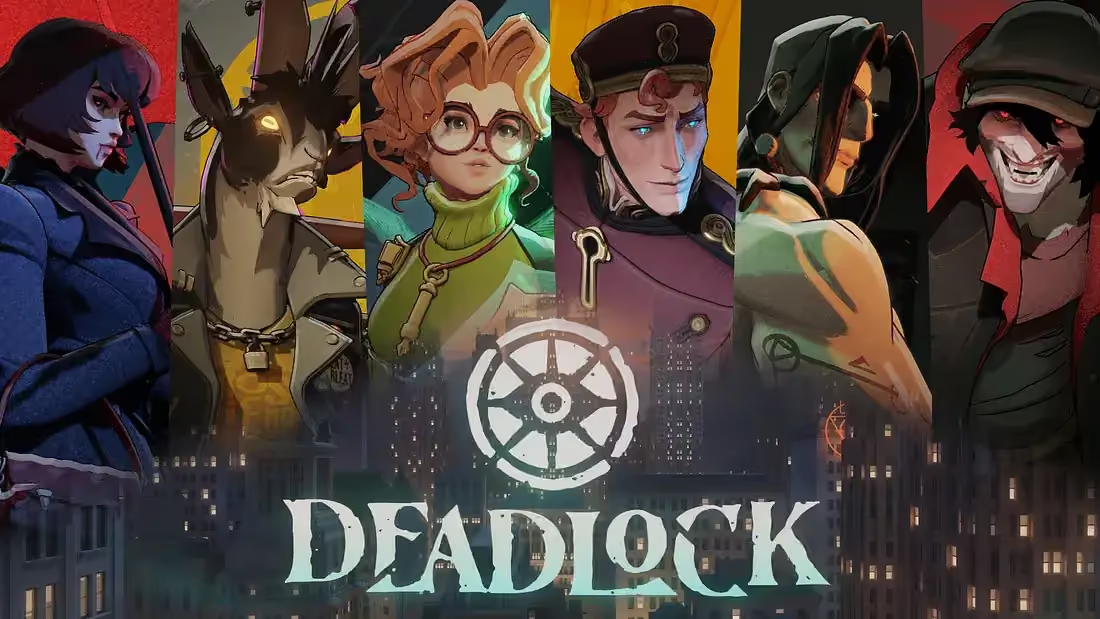
GameGoldLab is the ultimate Deadlock knowledge and coaching platform. Master every hero with in-depth guides, ability breakdowns, optimal item builds, pro builds, counter matchups, synergies, combos, and expert gameplay tips. Track live hero stats including win rates, pick rates, KDA, and match volume. Browse the tier list for the current patch. Book pro coaching sessions to level up.
All Deadlock heroes: Abrams (Brawler), Apollo (Assassin), Bebop (Brawler), Billy (Brawler), Calico (Assassin), Celeste (Marksman), Drifter (Assassin), Dynamo (Mystic), Graves (Marksman), Grey Talon (Marksman), Haze (Assassin), Holliday (Marksman), Infernus (Marksman), Ivy (Marksman), Kelvin (Brawler), Lady Geist (Mystic), Lash (Assassin), McGinnis (Mystic), Mina (Marksman), Mirage (Assassin), Mo and Krill (Brawler), Paige (Mystic), Paradox (Marksman), Pocket (Assassin), Rem (Mystic), Seven (Mystic), Shiv (Brawler), Silver (Marksman), Sinclair (Mystic), The Doorman (Mystic), Venator (Marksman), Victor (Brawler), Vindicta (Marksman), Viscous (Mystic), Vyper (Assassin), Warden (Brawler), Wraith (Marksman), Yamato (Assassin).
Popular heroes include Victor guide, Dynamo guide, Abrams guide, Bebop guide, Haze guide, Seven guide, Lash guide, Yamato guide. Browse the complete hero list.
Hero portraits: 
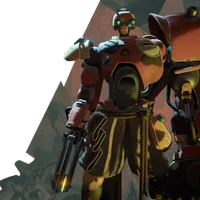
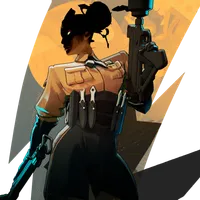
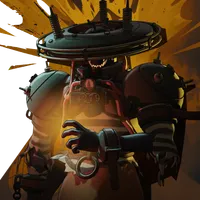
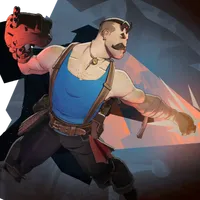
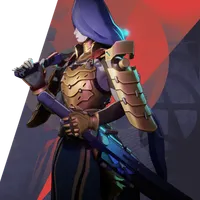
Background: 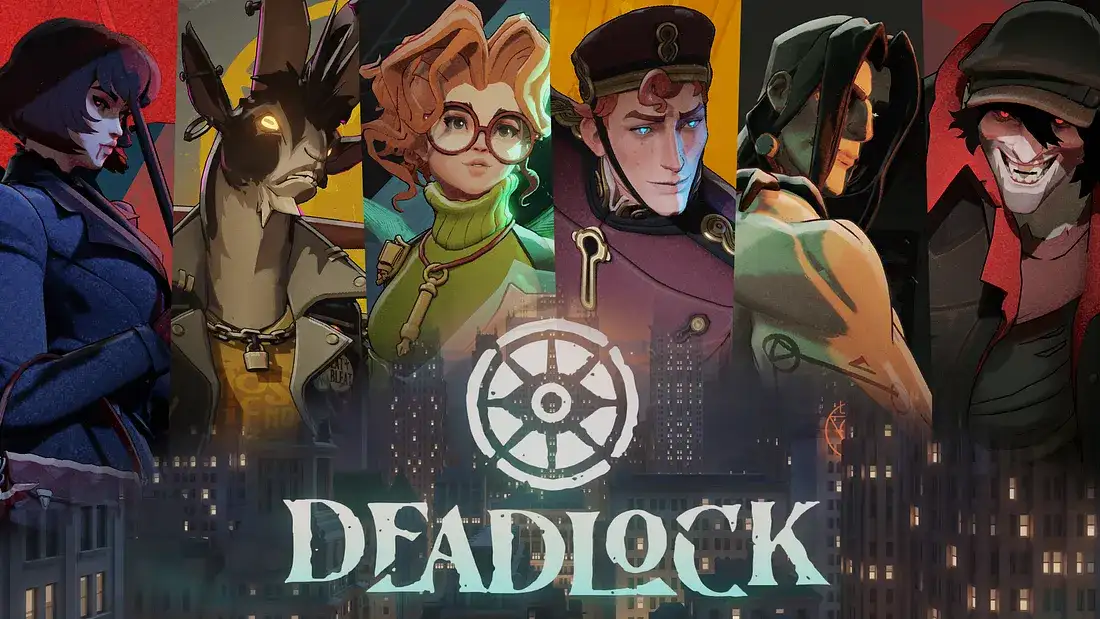
Each hero guide includes base stats, weapon stats, ability breakdowns, item builds, counter matchups, synergies, and FAQs. View all hero guides, check the tier list, and track live stats.
Live statistics for Deadlock including win rates, pick rates, damage output, KDA, net worth, and match volume across all skill brackets. Data sourced from real matches from the deadlock-api.com service. Track the evolving meta with 7-day trend charts showing win rate and pick rate changes over time. Filter heroes by role including Brawler, Marksman, Mystic, and Assassin. Visit the hero stats page for the latest data with win rates and pick rates for every hero.
The Deadlock tier list ranks all heroes using a composite score system. Win rate contributes 40 percent of the score, pick rate contributes 30 percent, match volume contributes 15 percent, and player count contributes 15 percent. S Tier represents the top 14 percent of heroes. A Tier covers the next 20 percent. B Tier includes the next 24 percent. C and D Tier cover the bottom 42 percent. See the full Deadlock tier list for current rankings.
Each hero guide includes item builds for early, mid, and late game phases. Coaching services available in Starter, Pro, and Elite plans with personalized training. Explore pro builds or book coaching sessions.
New to Deadlock? The beginner guide covers soul economy, laning phase, hero roles, map objectives, and core mechanics. The hero roles guide explains Brawler, Marksman, Mystic, and Assassin playstyles. The laning phase guide covers winning your lane and rotating. The soul economy guide explains efficient farming. Browse all Deadlock guides.
Deadlock is a hybrid MOBA-shooter by Valve Corporation in closed alpha. The game combines third-person shooting with MOBA mechanics including lanes, creep waves, towers, and items. Players choose from 38 unique heroes with distinct abilities. Explore hero guides and check live statistics for the current meta.
Most Deadlock players reach a plateau and wonder: should I keep grinding on my own, or pay for coaching? The honest answer is that both work — but they work at very different speeds.
Key points: Self-learning is free and valid; Coaching compresses that feedback loop; The value depends on your situation.
Most Deadlock players reach a plateau and wonder: should I keep grinding on my own, or pay for coaching? The honest answer is that both work — but they work at very different speeds.
Self-learning is free and valid. You can climb by reviewing your replays, watching pro streams, and grinding thousands of games. The problem is the feedback loop. When you lose, you don't always know why. You repeat the same mistake for weeks because nobody tells you it's a mistake.
Coaching compresses that feedback loop. In one session, a coach watches you play and identifies the specific errors holding you back — usually within the first game. Most players are stuck on one or two fixable mistakes they've been making for months.
The value depends on your situation. If you're hard-stuck below Emissary, the issue is almost always fundamentals: soul economy, positioning, and decision-making. A coach can point these out immediately, saving you weeks of trial and error.
If you're at Emissary or Phantom, coaching helps with advanced topics: matchup knowledge, itemization decisions, and macro rotations. These are harder to self-diagnose because they're situational.
Self-learning works best for players who are good at analyzing their own gameplay and have time. Coaching works best for players who want results fast and don't mind paying to skip the guesswork.
The realistic cost of coaching varies. Basic sessions are affordable and often enough to break a plateau. Elite coaching with top-ranked players costs more but comes with a much deeper level of analysis.
There's also a middle ground: duo queueing with a higher-ranked player. You learn by playing alongside someone who makes better decisions, and you see the game from a stronger player's perspective in real time.
Whichever path you choose, the key is consistent focused practice. One coaching session without follow-up won't fix everything. One week of practicing your identified weaknesses will.
If you decide to try coaching, look for coaches who offer structured plans rather than just game time. The best value is a session that ends with a clear list of what to practice and how.
Finally, be realistic about expectations. Coaching won't instantly jump you two ranks. It shortens the learning curve and removes the guesswork — the actual improvement still comes from your practice between sessions.