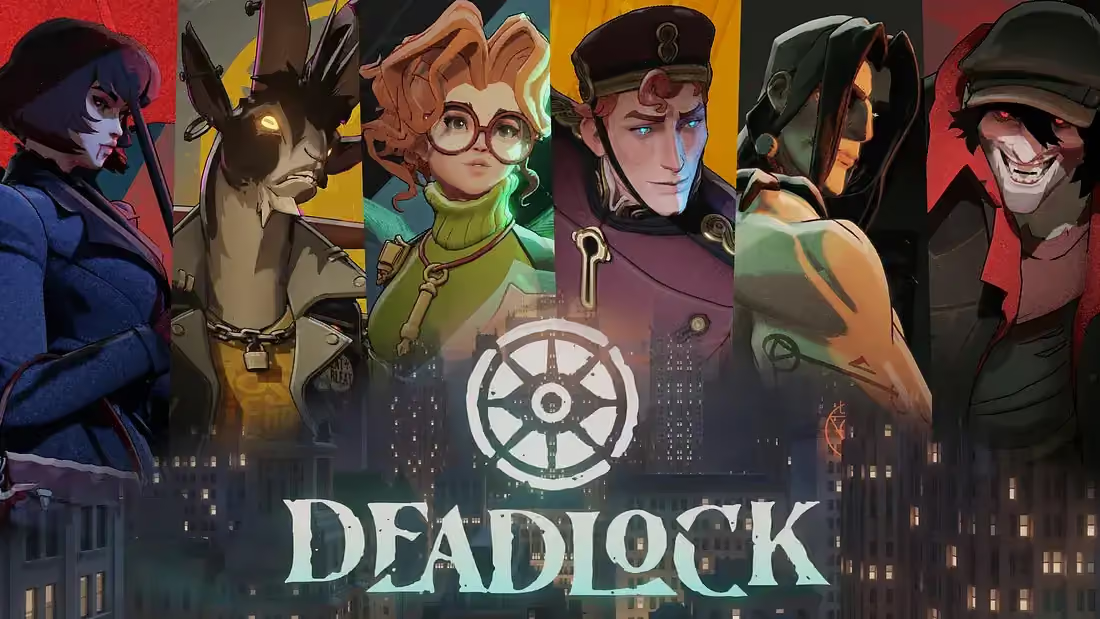
GameGoldLab is the ultimate Deadlock knowledge and coaching platform. Master every hero with in-depth guides, ability breakdowns, optimal item builds, pro builds, counter matchups, synergies, combos, and expert gameplay tips. Track live hero stats including win rates, pick rates, KDA, and match volume. Browse the tier list for the current patch. Book pro coaching sessions to level up.
All Deadlock heroes: Abrams (Brawler), Apollo (Assassin), Bebop (Brawler), Billy (Brawler), Calico (Assassin), Celeste (Marksman), Drifter (Assassin), Dynamo (Mystic), Graves (Marksman), Grey Talon (Marksman), Haze (Assassin), Holliday (Marksman), Infernus (Marksman), Ivy (Marksman), Kelvin (Brawler), Lady Geist (Mystic), Lash (Assassin), McGinnis (Mystic), Mina (Marksman), Mirage (Assassin), Mo and Krill (Brawler), Paige (Mystic), Paradox (Marksman), Pocket (Assassin), Rem (Mystic), Seven (Mystic), Shiv (Brawler), Silver (Marksman), Sinclair (Mystic), The Doorman (Mystic), Venator (Marksman), Victor (Brawler), Vindicta (Marksman), Viscous (Mystic), Vyper (Assassin), Warden (Brawler), Wraith (Marksman), Yamato (Assassin).
Popular heroes include Victor guide, Dynamo guide, Abrams guide, Bebop guide, Haze guide, Seven guide, Lash guide, Yamato guide. Browse the complete hero list.
Hero portraits: 
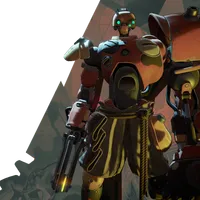
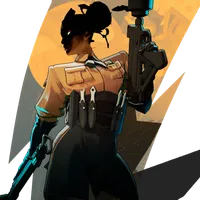
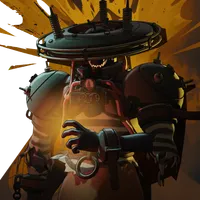
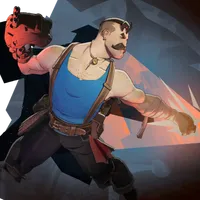
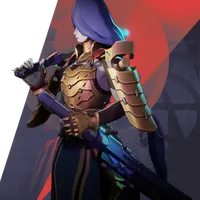
Each hero guide includes base stats, weapon stats, ability breakdowns, item builds, counter matchups, synergies, and FAQs. View all hero guides, check the tier list, and track live stats.
Live statistics for Deadlock including win rates, pick rates, damage output, KDA, net worth, and match volume across all skill brackets. Data sourced from real matches from the deadlock-api.com service. Track the evolving meta with 7-day trend charts showing win rate and pick rate changes over time. Filter heroes by role including Brawler, Marksman, Mystic, and Assassin. Visit the hero stats page for the latest data with win rates and pick rates for every hero.
The Deadlock tier list ranks all heroes using a composite score system. Win rate contributes 40 percent of the score, pick rate contributes 30 percent, match volume contributes 15 percent, and player count contributes 15 percent. S Tier represents the top 14 percent of heroes. A Tier covers the next 20 percent. B Tier includes the next 24 percent. C and D Tier cover the bottom 42 percent. See the full Deadlock tier list for current rankings.
Each hero guide includes item builds for early, mid, and late game phases. Coaching services available in Starter, Pro, and Elite plans with personalized training. Explore pro builds or book coaching sessions.
New to Deadlock? The beginner guide covers soul economy, laning phase, hero roles, map objectives, and core mechanics. The hero roles guide explains Brawler, Marksman, Mystic, and Assassin playstyles. The laning phase guide covers winning your lane and rotating. The soul economy guide explains efficient farming. Browse all Deadlock guides.
Deadlock is a hybrid MOBA-shooter by Valve Corporation in closed alpha. The game combines third-person shooting with MOBA mechanics including lanes, creep waves, towers, and items. Players choose from 38 unique heroes with distinct abilities. Explore hero guides and check live statistics for the current meta.
Strategy, meta analysis, and ranked climbing guides for Deadlock players of every level.
Valve has been shipping balance patches for Deadlock at an aggressive pace since the ranked-mode launch — and every patch reshapes the meta. Here's how to read those changes and stay ahead of the curve.
Picking the right hero is half the climb in Deadlock. Some heroes carry games at low ranks, others only shine with coordinated teams. Here's the current breakdown of which heroes are best for ranking up, and why.
Most Deadlock players reach a plateau and wonder: should I keep grinding on my own, or pay for coaching? The honest answer is that both work — but they work at very different speeds.
If you're considering Deadlock coaching, the first question is usually cost. Here's a realistic breakdown of what coaching prices look like and what you get at each level.
Ask any high-ranked Deadlock player what separates ranks, and most will say the same thing: soul economy. It's not aim, not mechanics — it's how many souls you secure and deny.
Duo queueing in Deadlock is one of the most effective ways to climb — if you do it right. A coordinated duo can dominate the map, control lanes, and win games that solo queues lose.
Eternus is the highest rank in Deadlock — the top 1 percent of players. Reaching it isn't about a single trick; it's about building a complete game with no major weaknesses. Here's what separates Eternus players from everyone else.
Rank boosting — paying someone to climb your account — is a common service in competitive games. Before you decide, here's what you should know about how it works and the risks involved.
Deadlock's heroes fall into four roles: Brawler, Marksman, Mystic, and Assassin. Understanding the roles helps you pick a hero that fits your natural playstyle — and that fit is a big part of climbing.
Mechanics in Deadlock cover your aim, movement, parry timing, and overall combat execution. While game knowledge wins games, mechanics decide fights — and winning fights wins games. Here's how to improve yours.
Items are where your souls turn into power in Deadlock. Buying the right items at the right time can decide games — and most players build suboptimally. Here's a practical item guide by role.
Deadlock's map is a square with four lanes crossing in a pattern. Understanding the objectives and their timers is a huge part of winning games — especially in ranked. Here's the map guide every player should know.
Countering your opponents is what separates players who win lanes from players who win games. Each role has clear weaknesses you can exploit. Here's how to counter each one.
The fastest way to improve at Deadlock isn't grinding more games - it's learning from players who are better than you. Here's why the shortcut works, and how to use it.
Deadlock's meta shifts with every patch, but some heroes consistently outperform the rest. Based on millions of tracked matches this season, here are the ten heroes with the highest win rates in 2026 — and why they win. (See the full [tier list](/tier-list) for every rank.)
Deadlock controls feel wrong for the first hour because the game is a third-person MOBA-shooter, not a plain FPS: your camera sits behind your hero, WASD moves you down lanes, and the mouse aims everything from guns to abilities. Once the movement and aim layers click, the rest of the game opens up. This walkthrough covers the Deadlock controls and settings a brand-new player should actually change before their first few matches.
Stuck at the same rank for weeks? It's almost never raw aim — it's a handful of repeatable decisions you keep making every match. Here are the mistakes that quietly hold Deadlock players back, and the exact fix for each.
Coaching isn't a magic rank button, and it isn't somebody else playing your account. It's a session where a stronger player watches how you actually play and tells you, specifically, what to change. That's the whole product. If a decision keeps costing you games, you find it together and fix it.
Souls are the only resource that matters in Deadlock: they are simultaneously your currency and your experience bar. You start every match with 600, and there is no passive gold drip to coast on — the number you build is entirely a function of what you actually kill and confirm. That makes farming a skill, not a phase you graduate out of. Read the [soul economy guide](/guides/soul-economy) first, then come back here for the execution.
Team fights in Deadlock are usually lost before the first shot lands. They're lost in the thirty seconds before it — who has ultimates, who finished their key item, who is standing where the fight is about to happen. If you start thinking when someone gets hit, you're already reacting. Treat every fight as a plan you build from the map, not a scramble you win with reflexes.
Deadlock is a six-versus-six game, and your draft decides more games than your aim on any given night. A comp that stacks one damage type or loads up on squishy carries loses to a balanced team that knows its roles before the first wave spawns. This guide walks through how to actually build a team across the pick phase.
Every hero in Deadlock walks onto the lane with the same kit shape: a few basic abilities and one ultimate. What changes is when each comes online and how hard it hits once you feed it points. If you treat your skills as fixed and only worry about aim, you're already leaving half your damage, escape, and lockdown on the table. This guide is about the buttons, not the builds behind them — start with our [hero pages](/heroes) for the exact kits.
Deadlock is a MOBA built around souls, not kills. The sooner you stop treating it like a shooter where the scoreboard is everything, the faster you improve. These are the habits I drill into every new player before we touch anything fancy.
Every week someone asks me how long it takes to learn Deadlock, and every week I give the same honest answer: there is no clean number. Anyone who hands you a neat figure is guessing, because how fast you improve depends on your background, how you practice, and how much you actually review your own games. What I can give you is a realistic map of the stages you will pass through, and what to focus on in each one so you don't waste months spinning your wheels.
A strong duo isn't just two carries hoping the enemy dies first. It's one hero enabling the other — a stun into burst, a heal into a front-line trade, a shield into a free farm window. In Deadlock the lane and the mid-game fights are usually decided by pairs whose kits cover each other's weak moments, not by raw individual skill.
People ask me this all the time, usually right after a losing streak: is Deadlock coaching actually worth it, or am I just paying someone to tell me to aim better? I've coached enough players to give you a straight answer instead of a sales pitch.