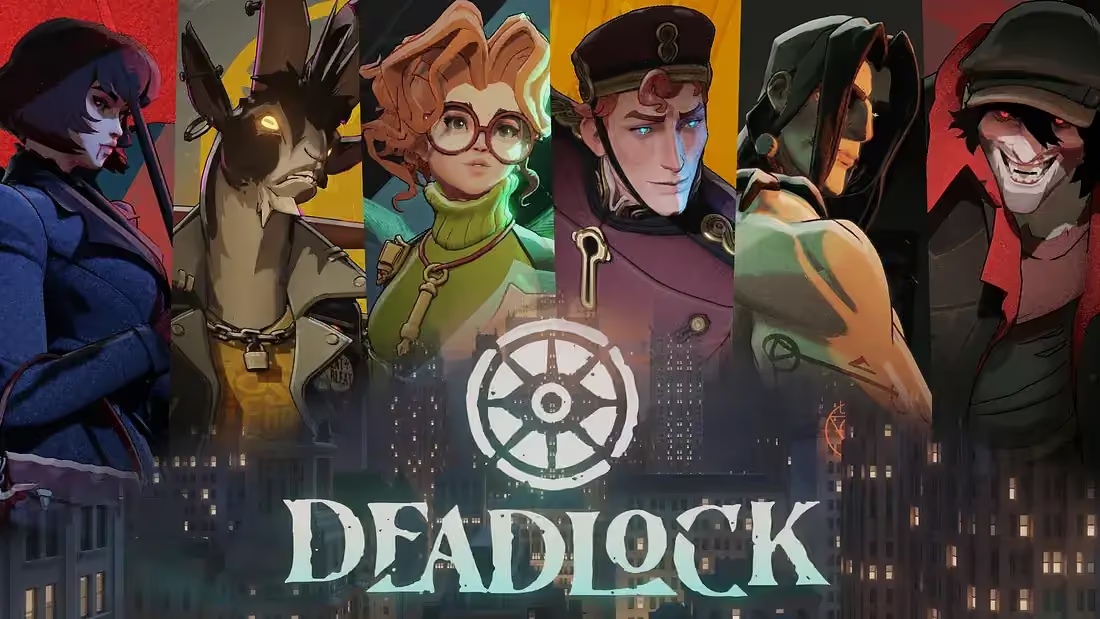
GameGoldLab is the ultimate Deadlock knowledge and coaching platform. Master every hero with in-depth guides, ability breakdowns, optimal item builds, pro builds, counter matchups, synergies, combos, and expert gameplay tips. Track live hero stats including win rates, pick rates, KDA, and match volume. Browse the tier list for the current patch. Book pro coaching sessions to level up.
All Deadlock heroes: Abrams (Brawler), Apollo (Assassin), Bebop (Brawler), Billy (Brawler), Calico (Assassin), Celeste (Marksman), Drifter (Assassin), Dynamo (Mystic), Graves (Marksman), Grey Talon (Marksman), Haze (Assassin), Holliday (Marksman), Infernus (Marksman), Ivy (Marksman), Kelvin (Brawler), Lady Geist (Mystic), Lash (Assassin), McGinnis (Mystic), Mina (Marksman), Mirage (Assassin), Mo and Krill (Brawler), Paige (Mystic), Paradox (Marksman), Pocket (Assassin), Rem (Mystic), Seven (Mystic), Shiv (Brawler), Silver (Marksman), Sinclair (Mystic), The Doorman (Mystic), Venator (Marksman), Victor (Brawler), Vindicta (Marksman), Viscous (Mystic), Vyper (Assassin), Warden (Brawler), Wraith (Marksman), Yamato (Assassin).
Popular heroes include Victor guide, Dynamo guide, Abrams guide, Bebop guide, Haze guide, Seven guide, Lash guide, Yamato guide. Browse the complete hero list.
Hero portraits: 
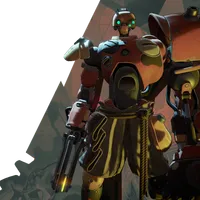
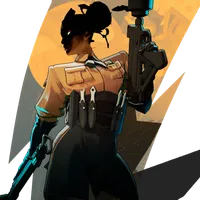
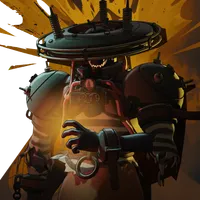
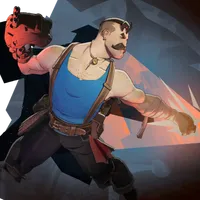
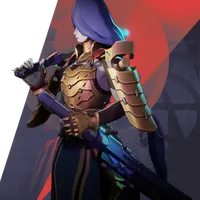
Each hero guide includes base stats, weapon stats, ability breakdowns, item builds, counter matchups, synergies, and FAQs. View all hero guides, check the tier list, and track live stats.
Live statistics for Deadlock including win rates, pick rates, damage output, KDA, net worth, and match volume across all skill brackets. Data sourced from real matches from the deadlock-api.com service. Track the evolving meta with 7-day trend charts showing win rate and pick rate changes over time. Filter heroes by role including Brawler, Marksman, Mystic, and Assassin. Visit the hero stats page for the latest data with win rates and pick rates for every hero.
The Deadlock tier list ranks all heroes using a composite score system. Win rate contributes 40 percent of the score, pick rate contributes 30 percent, match volume contributes 15 percent, and player count contributes 15 percent. S Tier represents the top 14 percent of heroes. A Tier covers the next 20 percent. B Tier includes the next 24 percent. C and D Tier cover the bottom 42 percent. See the full Deadlock tier list for current rankings.
Each hero guide includes item builds for early, mid, and late game phases. Coaching services available in Starter, Pro, and Elite plans with personalized training. Explore pro builds or book coaching sessions.
New to Deadlock? The beginner guide covers soul economy, laning phase, hero roles, map objectives, and core mechanics. The hero roles guide explains Brawler, Marksman, Mystic, and Assassin playstyles. The laning phase guide covers winning your lane and rotating. The soul economy guide explains efficient farming. Browse all Deadlock guides.
Deadlock is a hybrid MOBA-shooter by Valve Corporation in closed alpha. The game combines third-person shooting with MOBA mechanics including lanes, creep waves, towers, and items. Players choose from 38 unique heroes with distinct abilities. Explore hero guides and check live statistics for the current meta.
Every hero in Deadlock walks onto the lane with the same kit shape: a few basic abilities and one ultimate. What changes is when each comes online and how hard it hits once you feed it points. If you treat your skills as fixed and only worry about aim, you're already leaving half your damage, escape, and lockdown on the table. This guide is about the buttons, not the builds behind them — start with our [hero pages](/heroes) for the exact kits.
Key points: Abilities don't exist at the start of the match the way you might expect; Ability points are the currency here, separate from the soul economy you spend on [items](/items); The temptation for new players is to dump every point into one ability and call it a build.
Every hero in Deadlock walks onto the lane with the same kit shape: a few basic abilities and one ultimate. What changes is when each comes online and how hard it hits once you feed it points. If you treat your skills as fixed and only worry about aim, you're already leaving half your damage, escape, and lockdown on the table. This guide is about the buttons, not the builds behind them — start with our hero pages for the exact kits.
Abilities don't exist at the start of the match the way you might expect. You unlock them as the game goes. Most heroes begin with access to a small slice of their kit and open up the rest once they bank the ability points to buy into them. Early on you're deliberately thin — that's normal, not a mistake you made in the hero select screen.
Ability points are the currency here, separate from the soul economy you spend on items. You earn them by leveling your hero over the course of a match. When you have a point banked, an ability can go up a level, and higher levels usually mean more damage, longer duration, shorter cooldown, or an added effect. You can sit on points too — there's no rule you have to spend them the instant you get one.
The temptation for new players is to dump every point into one ability and call it a build. Sometimes that's right, but you should make that choice on purpose. Ask what each point actually buys: does the ability get a real power spike at this level, or is it a small tick of damage? A point that turns a nuke into something that deletes a wave is worth more than a point that adds a rounding-error to a skill you rarely land.
Level-up order is where beginner games are quietly won. Pick the two abilities you rely on most — usually your lane tool and your escape or engage — and get them functional first. You don't need every button online to trade well; you need the buttons you'll actually press to be strong. Look at what your lane opponent threatens and level to answer it, not to fill out a bar evenly.
Your ultimate is the headline, and it behaves differently from everything else. It typically unlocks late and sits on a long cooldown — long enough that you can't spam it and expect it back next fight. That single fact should change how you play: the champion isn't something you fire off the moment a skirmish starts. You hold it for the fight that matters.
Because the ultimate is scarce, using it well is a decision, not a reflex. If you burn it on a kill you'd get anyway, you've traded your best tool for a minor win and you'll be paying for it in the next big fight. Think about what you're buying with it — a pick, a save, a won teamfight — and whether the situation is worth that price.
Cooldowns aren't just the ultimate. Every active ability has a timer, and knowing roughly how long you're exposed after pressing a button is how you avoid dying. If your escape is down, you are a different, much more killable hero for those seconds. Track your own timers and you'll stop walking into fights naked.
Spirit Power scales a lot of abilities, and that's the quiet lever under your whole kit. You don't get it from ability points alone — it comes from items and from the broader soul economy as the game goes. The practical takeaway: an ability's numbers in the shop aren't the whole story, because spirit power multiplies what those abilities do. A hero with stacked spirit can turn a modest-looking skill into a genuine threat.
So when you look at your damage and it feels lower than a replay you watched, ask what spirit power that player had. The same button, the same level, can hit very differently depending on the spirit pumping through the kit. This is why two players on one hero can feel like different characters in the mid game.
Abilities come in two flavors, and mixing them up costs you fights. Active abilities are the ones you press — they fire on your command and usually go on cooldown. Passive abilities are always on; they quietly modify your attacks, your movement, your survivability, or how your other skills behave. You don't press a passive, but you absolutely build around it.
The trap with passives is ignoring them because there's no button. A passive that boosts your gun damage or grants lifesteal changes how you should position and what fights you take. Read the passive text on your hero pages like it's a weapon, because it often is — a free stat or effect you get just for existing.
A few heroes transform rather than just scaling. Some kits shift form, stance, or mode when you press a button, which rewrites your whole gameplan mid-fight. A transform hero isn't the same hero in both states; the abilities you leaned on a second ago may not be the ones you have now, and your job changes with the form. Learn the swap before you take it into a real fight.
That's why certain heroes feel overwhelming to a beginner and comfortable to a veteran. The veteran isn't reacting faster — they've internalized which state they're in, what it's good for, and what it costs to switch. Transformation is a rhythm, and like every rhythm in Deadlock it rewards reps, not talent.
Put it together and the plan is simple. Spend ability points on the buttons you actually press, hold your ultimate for the fight that deserves it, respect cooldowns so you're never caught without an answer, and lean on spirit power through your items to make those abilities hit. None of it requires a perfect build guide — it requires knowing what each button is for.
If you want to talk through your hero's kit, argue about level order, or figure out why your ultimate never seems to land, come find us on the Discord. Drop your hero and your habitual level-up order in the channel and we'll tell you what to move — the fastest way to fix a kit problem is to have someone else look at the buttons you're pressing.