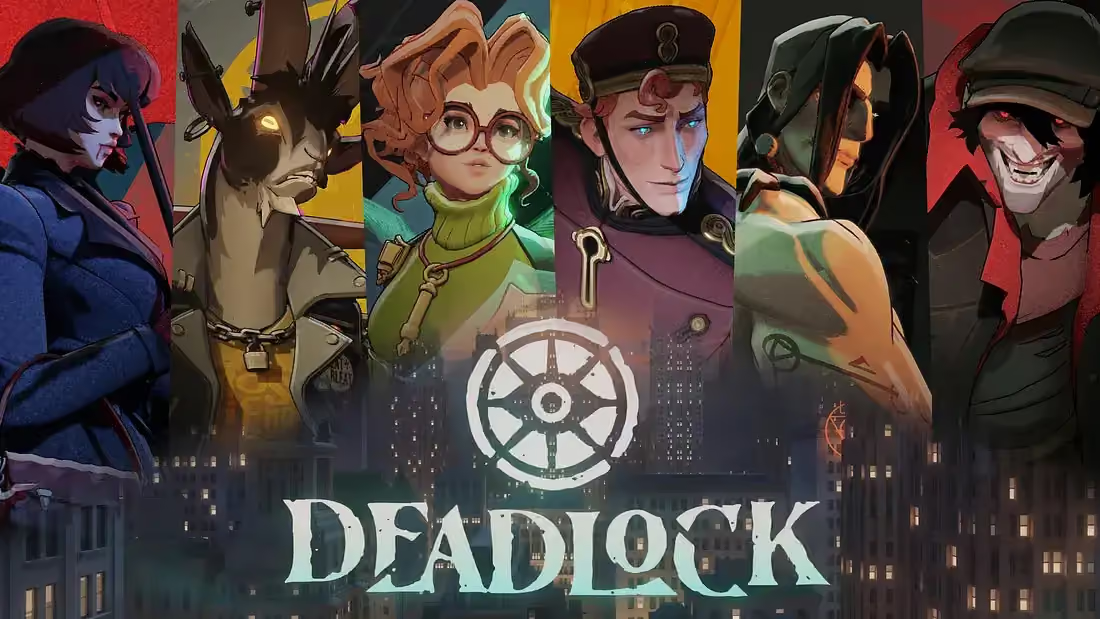
GameGoldLab is the ultimate Deadlock knowledge and coaching platform. Master every hero with in-depth guides, ability breakdowns, optimal item builds, pro builds, counter matchups, synergies, combos, and expert gameplay tips. Track live hero stats including win rates, pick rates, KDA, and match volume. Browse the tier list for the current patch. Book pro coaching sessions to level up.
All Deadlock heroes: Abrams (Brawler), Apollo (Assassin), Bebop (Brawler), Billy (Brawler), Calico (Assassin), Celeste (Marksman), Drifter (Assassin), Dynamo (Mystic), Graves (Marksman), Grey Talon (Marksman), Haze (Assassin), Holliday (Marksman), Infernus (Marksman), Ivy (Marksman), Kelvin (Brawler), Lady Geist (Mystic), Lash (Assassin), McGinnis (Mystic), Mina (Marksman), Mirage (Assassin), Mo and Krill (Brawler), Paige (Mystic), Paradox (Marksman), Pocket (Assassin), Rem (Mystic), Seven (Mystic), Shiv (Brawler), Silver (Marksman), Sinclair (Mystic), The Doorman (Mystic), Venator (Marksman), Victor (Brawler), Vindicta (Marksman), Viscous (Mystic), Vyper (Assassin), Warden (Brawler), Wraith (Marksman), Yamato (Assassin).
Popular heroes include Victor guide, Dynamo guide, Abrams guide, Bebop guide, Haze guide, Seven guide, Lash guide, Yamato guide. Browse the complete hero list.
Hero portraits: 
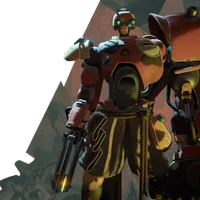
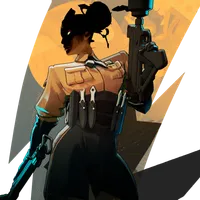
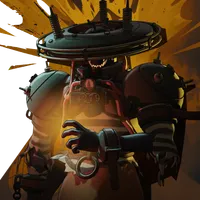
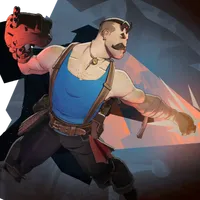
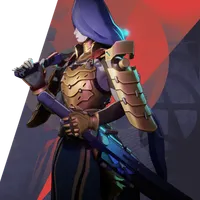
Background: 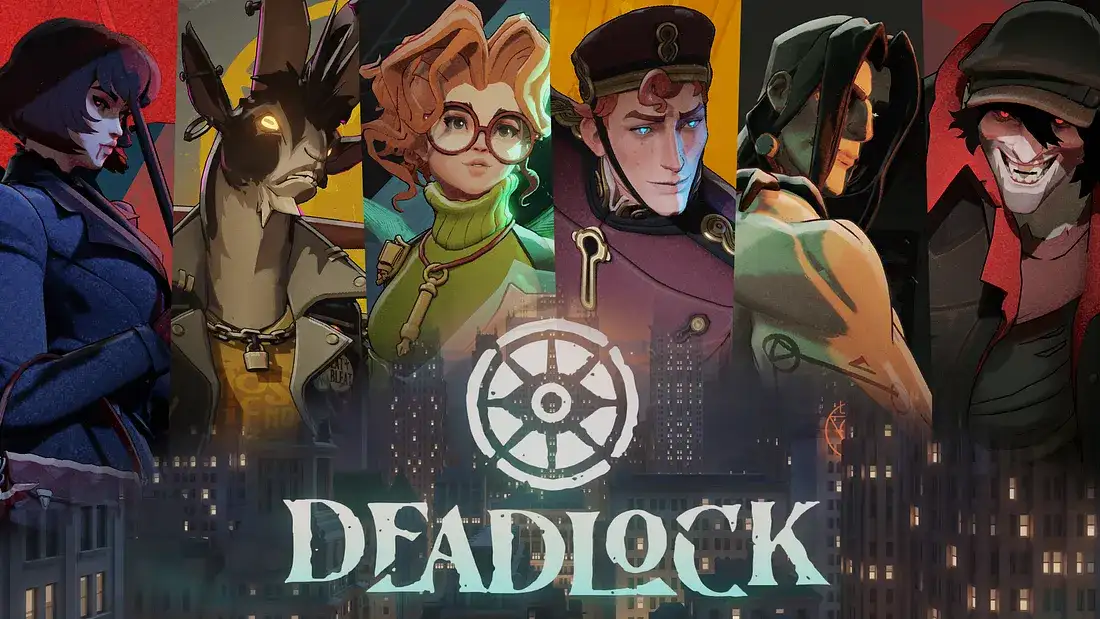
Each hero guide includes base stats, weapon stats, ability breakdowns, item builds, counter matchups, synergies, and FAQs. View all hero guides, check the tier list, and track live stats.
Live statistics for Deadlock including win rates, pick rates, damage output, KDA, net worth, and match volume across all skill brackets. Data sourced from real matches from the deadlock-api.com service. Track the evolving meta with 7-day trend charts showing win rate and pick rate changes over time. Filter heroes by role including Brawler, Marksman, Mystic, and Assassin. Visit the hero stats page for the latest data with win rates and pick rates for every hero.
The Deadlock tier list ranks all heroes using a composite score system. Win rate contributes 40 percent of the score, pick rate contributes 30 percent, match volume contributes 15 percent, and player count contributes 15 percent. S Tier represents the top 14 percent of heroes. A Tier covers the next 20 percent. B Tier includes the next 24 percent. C and D Tier cover the bottom 42 percent. See the full Deadlock tier list for current rankings.
Each hero guide includes item builds for early, mid, and late game phases. Coaching services available in Starter, Pro, and Elite plans with personalized training. Explore pro builds or book coaching sessions.
New to Deadlock? The beginner guide covers soul economy, laning phase, hero roles, map objectives, and core mechanics. The hero roles guide explains Brawler, Marksman, Mystic, and Assassin playstyles. The laning phase guide covers winning your lane and rotating. The soul economy guide explains efficient farming. Browse all Deadlock guides.
Deadlock is a hybrid MOBA-shooter by Valve Corporation in closed alpha. The game combines third-person shooting with MOBA mechanics including lanes, creep waves, towers, and items. Players choose from 38 unique heroes with distinct abilities. Explore hero guides and check live statistics for the current meta.
Duo queueing in Deadlock is one of the most effective ways to climb — if you do it right. A coordinated duo can dominate the map, control lanes, and win games that solo queues lose.
Key points: The first decision is hero synergy; Lane pairing matters; Communication is your biggest advantage.
Duo queueing in Deadlock is one of the most effective ways to climb — if you do it right. A coordinated duo can dominate the map, control lanes, and win games that solo queues lose.
The first decision is hero synergy. The best duos combine heroes that cover each other's weaknesses. A Brawler frontline with a Marksman backline is a classic combo: the Brawler engages and absorbs damage while the Marksman deals damage from safety.
Lane pairing matters. Two duos in the side lanes control half the map. Pick heroes that win lane together — one that can set up kills and one that can finish them. Winning your duo lane early creates the snowball that carries the game.
Communication is your biggest advantage. Call out enemy positions, plan rotations, and coordinate ability combos. Two players with voice chat outplay five players with pings alone.
Coordinate your item builds. If your partner buys a utility item, you can focus on damage. If they take the tank role, build around them. A duo with complementary items is worth more than two players with selfish builds.
Time your rotations together. When one of you wins lane, the other should be ready to join for an objective push. Split pushing works too, but only with clear communication about when to group.
Pick one of you as the shot-caller for fights. Two people making different calls wastes the duo advantage. Designate who decides engages, and the other follows — hesitation loses fights.
The biggest mistake duos make is picking heroes that don't synergize, then playing like solo queue with a friend. If you're going to duo, commit to coordination: shared lanes, shared goals, shared calls.
For maximum impact, one of you should play a high-impact role like a strong initiator or carry. A duo where one player can hard-carry with support is more reliable than two players of equal but average impact.
If you want the fastest climb with a friend, consider queueing with a higher-ranked player. Playing alongside someone better than you teaches you the game faster than grinding alone, and the coordination makes the win rate noticeably higher.