
GameGoldLab is the ultimate Deadlock knowledge and coaching platform. Master every hero with in-depth guides, ability breakdowns, optimal item builds, pro builds, counter matchups, synergies, combos, and expert gameplay tips. Track live hero stats including win rates, pick rates, KDA, and match volume. Browse the tier list for the current patch. Book pro coaching sessions to level up.
All Deadlock heroes: Abrams (Brawler), Apollo (Assassin), Bebop (Brawler), Billy (Brawler), Calico (Assassin), Celeste (Marksman), Drifter (Assassin), Dynamo (Mystic), Graves (Marksman), Grey Talon (Marksman), Haze (Assassin), Holliday (Marksman), Infernus (Marksman), Ivy (Marksman), Kelvin (Brawler), Lady Geist (Mystic), Lash (Assassin), McGinnis (Mystic), Mina (Marksman), Mirage (Assassin), Mo and Krill (Brawler), Paige (Mystic), Paradox (Marksman), Pocket (Assassin), Rem (Mystic), Seven (Mystic), Shiv (Brawler), Silver (Marksman), Sinclair (Mystic), The Doorman (Mystic), Venator (Marksman), Victor (Brawler), Vindicta (Marksman), Viscous (Mystic), Vyper (Assassin), Warden (Brawler), Wraith (Marksman), Yamato (Assassin).
Popular heroes include Victor guide, Dynamo guide, Abrams guide, Bebop guide, Haze guide, Seven guide, Lash guide, Yamato guide. Browse the complete hero list.
Hero portraits: 



Background: 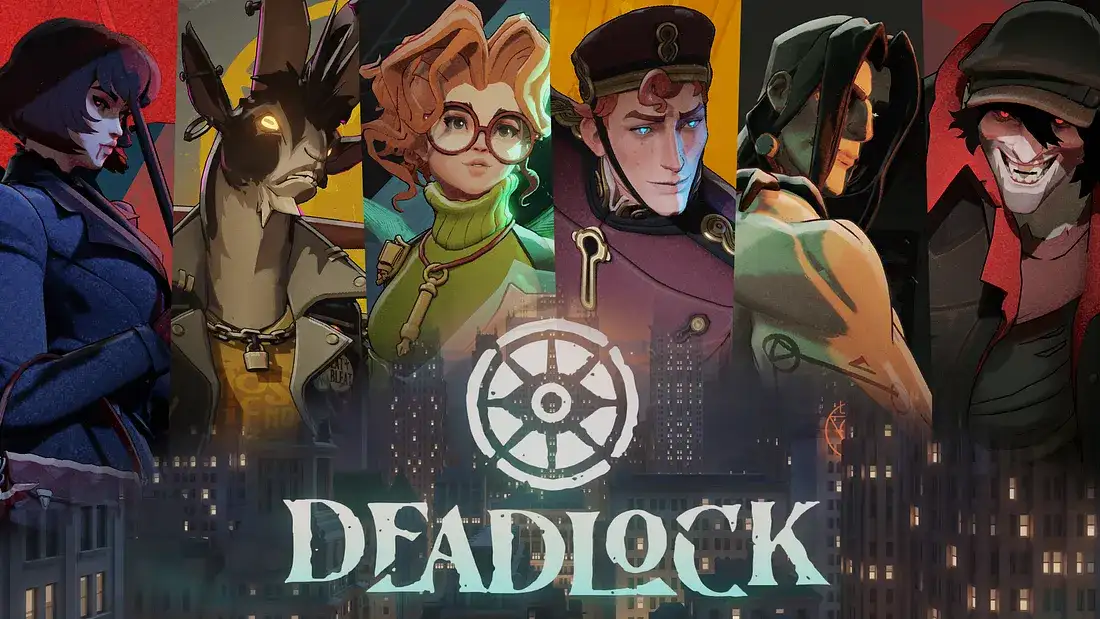
Each hero guide includes base stats, weapon stats, ability breakdowns, item builds, counter matchups, synergies, and FAQs. View all hero guides, check the tier list, and track live stats.
Live statistics for Deadlock including win rates, pick rates, damage output, KDA, net worth, and match volume across all skill brackets. Data sourced from real matches from the deadlock-api.com service. Track the evolving meta with 7-day trend charts showing win rate and pick rate changes over time. Filter heroes by role including Brawler, Marksman, Mystic, and Assassin. Visit the hero stats page for the latest data with win rates and pick rates for every hero.
The Deadlock tier list ranks all heroes using a composite score system. Win rate contributes 40 percent of the score, pick rate contributes 30 percent, match volume contributes 15 percent, and player count contributes 15 percent. S Tier represents the top 14 percent of heroes. A Tier covers the next 20 percent. B Tier includes the next 24 percent. C and D Tier cover the bottom 42 percent. See the full Deadlock tier list for current rankings.
Each hero guide includes item builds for early, mid, and late game phases. Coaching services available in Starter, Pro, and Elite plans with personalized training. Explore pro builds or book coaching sessions.
New to Deadlock? The beginner guide covers soul economy, laning phase, hero roles, map objectives, and core mechanics. The hero roles guide explains Brawler, Marksman, Mystic, and Assassin playstyles. The laning phase guide covers winning your lane and rotating. The soul economy guide explains efficient farming. Browse all Deadlock guides.
Deadlock is a hybrid MOBA-shooter by Valve Corporation in closed alpha. The game combines third-person shooting with MOBA mechanics including lanes, creep waves, towers, and items. Players choose from 38 unique heroes with distinct abilities. Explore hero guides and check live statistics for the current meta.
Ask any high-ranked Deadlock player what separates ranks, and most will say the same thing: soul economy. It's not aim, not mechanics — it's how many souls you secure and deny.
Key points: Souls are the game's currency; The core of soul economy is last-hitting; Denying is the second half.
Ask any high-ranked Deadlock player what separates ranks, and most will say the same thing: soul economy. It's not aim, not mechanics — it's how many souls you secure and deny.
Souls are the game's currency. They buy items, upgrade abilities, and turn small advantages into unstoppable snowballs. Every match is a race to out-farm the enemy team.
The core of soul economy is last-hitting. Troopers drop souls when they die, and only the player who lands the killing blow gets them. Missing a last hit means giving souls to the enemy for free. At low ranks, players miss 30-40 percent of their last hits — that's thousands of souls lost per game.
Denying is the second half. When a trooper dies, a soul orb floats up. If you shoot it before the enemy does, you deny them that soul. Good players deny aggressively, turning every wave into a small advantage.
The practical goal: aim for 8+ souls per minute in the laning phase. That's roughly 500 souls per minute of lane time. Below that, you're falling behind the curve.
Between waves, farm jungle camps. The camps respawn on timers, and efficient players route between lane and jungle to maximize income. Adding 500-1,000 souls per game from jungle is a full item advantage by mid game.
Souls also come from kills and objectives, but these are less consistent. Farming is the reliable income — always available, always in your control.
Once you build a soul lead, convert it into items that multiply your power. A 2,000-soul advantage translates into a stronger item spike, which wins fights, which secures objectives, which extends the lead. This is the snowball.
How to practice: use the Z key to check your soul count regularly. Compare your per-minute income after each game. Watch high-level players and note their farming patterns between waves.
The fastest rank-ups come from fixing soul economy, not mechanics. Most players below Emissary are losing thousands of souls per game without realizing it. Fix that, and you'll climb even if your aim is average.