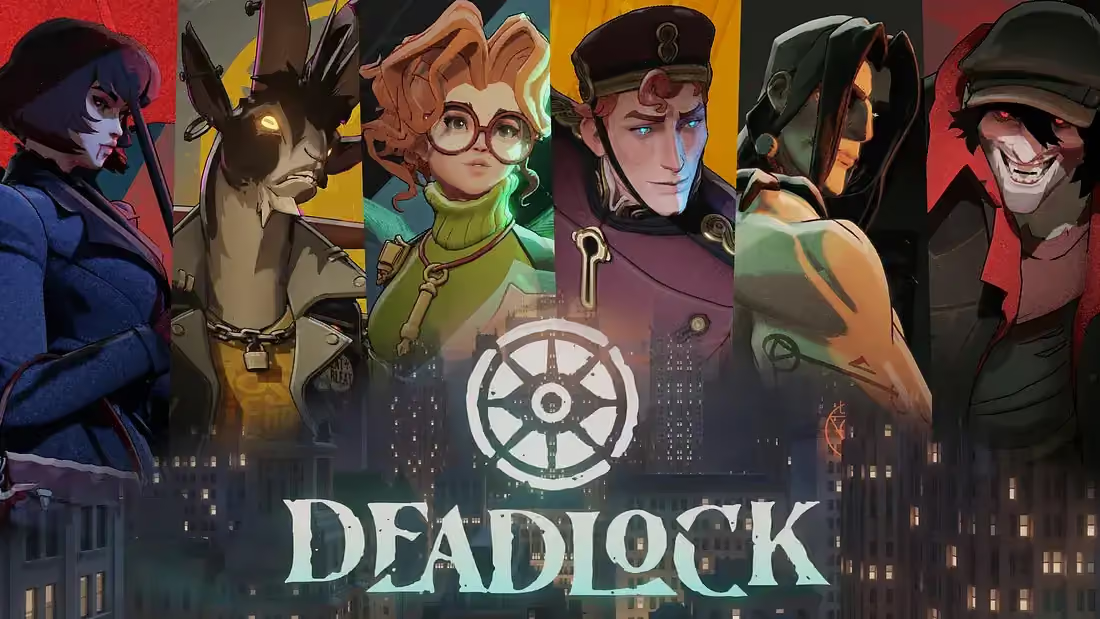
GameGoldLab is the ultimate Deadlock knowledge and coaching platform. Master every hero with in-depth guides, ability breakdowns, optimal item builds, pro builds, counter matchups, synergies, combos, and expert gameplay tips. Track live hero stats including win rates, pick rates, KDA, and match volume. Browse the tier list for the current patch. Book pro coaching sessions to level up.
All Deadlock heroes: Abrams (Brawler), Apollo (Assassin), Bebop (Brawler), Billy (Brawler), Calico (Assassin), Celeste (Marksman), Drifter (Assassin), Dynamo (Mystic), Graves (Marksman), Grey Talon (Marksman), Haze (Assassin), Holliday (Marksman), Infernus (Marksman), Ivy (Marksman), Kelvin (Brawler), Lady Geist (Mystic), Lash (Assassin), McGinnis (Mystic), Mina (Marksman), Mirage (Assassin), Mo and Krill (Brawler), Paige (Mystic), Paradox (Marksman), Pocket (Assassin), Rem (Mystic), Seven (Mystic), Shiv (Brawler), Silver (Marksman), Sinclair (Mystic), The Doorman (Mystic), Venator (Marksman), Victor (Brawler), Vindicta (Marksman), Viscous (Mystic), Vyper (Assassin), Warden (Brawler), Wraith (Marksman), Yamato (Assassin).
Popular heroes include Victor guide, Dynamo guide, Abrams guide, Bebop guide, Haze guide, Seven guide, Lash guide, Yamato guide. Browse the complete hero list.
Hero portraits: 
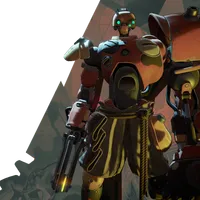
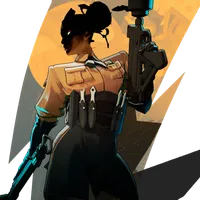
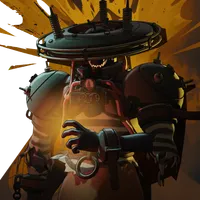
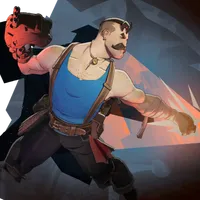
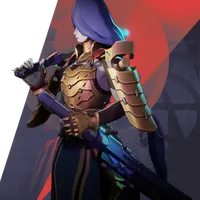
Each hero guide includes base stats, weapon stats, ability breakdowns, item builds, counter matchups, synergies, and FAQs. View all hero guides, check the tier list, and track live stats.
Live statistics for Deadlock including win rates, pick rates, damage output, KDA, net worth, and match volume across all skill brackets. Data sourced from real matches from the deadlock-api.com service. Track the evolving meta with 7-day trend charts showing win rate and pick rate changes over time. Filter heroes by role including Brawler, Marksman, Mystic, and Assassin. Visit the hero stats page for the latest data with win rates and pick rates for every hero.
The Deadlock tier list ranks all heroes using a composite score system. Win rate contributes 40 percent of the score, pick rate contributes 30 percent, match volume contributes 15 percent, and player count contributes 15 percent. S Tier represents the top 14 percent of heroes. A Tier covers the next 20 percent. B Tier includes the next 24 percent. C and D Tier cover the bottom 42 percent. See the full Deadlock tier list for current rankings.
Each hero guide includes item builds for early, mid, and late game phases. Coaching services available in Starter, Pro, and Elite plans with personalized training. Explore pro builds or book coaching sessions.
New to Deadlock? The beginner guide covers soul economy, laning phase, hero roles, map objectives, and core mechanics. The hero roles guide explains Brawler, Marksman, Mystic, and Assassin playstyles. The laning phase guide covers winning your lane and rotating. The soul economy guide explains efficient farming. Browse all Deadlock guides.
Deadlock is a hybrid MOBA-shooter by Valve Corporation in closed alpha. The game combines third-person shooting with MOBA mechanics including lanes, creep waves, towers, and items. Players choose from 38 unique heroes with distinct abilities. Explore hero guides and check live statistics for the current meta.
Team fights in Deadlock are usually lost before the first shot lands. They're lost in the thirty seconds before it — who has ultimates, who finished their key item, who is standing where the fight is about to happen. If you start thinking when someone gets hit, you're already reacting. Treat every fight as a plan you build from the map, not a scramble you win with reflexes.
Key points: A good engage means three things line up at once: you have the numbers, you land hard crowd control on a high-value target, and your back-line can actually reach the fight; Read the map before you commit; Front-line heroes live and die by the first four seconds.
Team fights in Deadlock are usually lost before the first shot lands. They're lost in the thirty seconds before it — who has ultimates, who finished their key item, who is standing where the fight is about to happen. If you start thinking when someone gets hit, you're already reacting. Treat every fight as a plan you build from the map, not a scramble you win with reflexes.
A good engage means three things line up at once: you have the numbers, you land hard crowd control on a high-value target, and your back-line can actually reach the fight. A Knockdown or a stun on their carry is worthless if your damage dealers are two lanes away. Count the fight before you start it — five of you versus three of them, with your carries in range, is an engage. A coin-flip dash into fog is a coin flip.
Read the map before you commit. Which enemies are showing? Which have been missing long enough to be flanking you? If two of their heroes are dead and you can see the other three grouped under a Walker, that's your window. If you can't see four of them, assume they're rotating to you and win the poke war instead of forcing a fight.
Front-line heroes live and die by the first four seconds. Walk in with your defensive item already active — Metal Skin, Return Fire, Reactive Barrier — and eat the burst so your damage dealers get a clean window. Don't dive past their front line to chase a kill; your job is to take the space your carries need, not to solo their backline. A tank that dies alone under their tower achieved nothing.
Back-line positioning is the opposite discipline: sit at your effective range, never in a straight line behind your tank. If a Lash, Infernus, or Pocket wants to dive you, they should have to cross open ground with three teammates shooting them. Kite backward while you shoot, and use stairs, statues, and jungle walls so their dash lands on nothing.
Target priority is about value, not health bars. In order: the enemy whose death makes the fight unwinnable — usually the fed carry or whoever holds the big team-fight ultimate — then anyone caught out of position, then whoever's left. Don't tunnel the tank just because he's closest, and don't spread damage four ways hoping something sticks. Focus fire deletes one hero and turns it into a five-on-four.
Track cooldowns like a scoreboard. If their Lash just burned the big team-fight ability, or their tank already popped Metal Skin, or their carry has no escape left, that's your moment to go. Say it on comms: 'no ult, no ult, go.' Fights are won by the team that spends their cooldowns first on a target that matters, not the team that fumbles the order.
Ultimates decide fights, so track them the way you track their carry's net worth. If you know their Refresher or their big AoE ultimate is still up, hold the engage and poke from range — bait it, dodge it, then fight the twelve seconds after. Your own ultimates should stack: two stuns landing on the same hero in the same second is a team fight; spread across thirty seconds it's just noise.
A team fight is worth taking over farm when the objective pays for the fight and then some. Fighting for a Walker, a Shrine, or control of the urn isn't only about damage — it's lane pressure, map control, and the enemy respawn timer. If the fight gets you a Walker you couldn't otherwise take, take it. If it gets you a kill and then a wipe, you traded farm and tempo for a highlight.
Mid boss is the loudest objective and the easiest way to throw a game. Don't start it while two enemies are alive and unaccounted for. Clear vision, kill the wards, bait them into coming, and fight with your defensive items up. The Rejuvenator swing is real — but only if you live long enough to walk it down a lane. A team that fights at half health under boss damage hands over the whole game.
Disengaging is a skill, not a retreat. Decide your exit before the fight starts: which wall, which alley, which direction your team peels. If your carry is dead and your ultimates are down, walking away is correct, not cowardly. Use mobility items and stamina to break line of sight, and cover each other — the hero who turns back to fight a lost battle alone is the one who feeds the next one.
Common mistakes, roughly in order of how often I see them: engaging without numbers; diving past the front line; spreading damage instead of focusing one target; ignoring a fed carry because he's 'too far'; dumping every cooldown on the tank; fighting at low health after winning the first half; and chasing kills into fog instead of taking the objective you just earned. Each of those is a decision, and each is fixable.
Item choice swings team fights as much as mechanics do. Debuff Remover and Unstoppable answer hard crowd control, Knockdown and Curse rip one target out of the fight, Healing Rite and Divine Barrier save a teammate who would otherwise die, and Refresher doubles your single most important cooldown. Read the item database honestly and buy against what's killing you, not what a guide told you to lock in at minute zero.
Your hero pages tell you what your kit wants to do in a fight, but only reps teach you when to press it. Pick one habit per session: count numbers before engaging, call enemy ultimates the moment they're spent, or commit to the same target every fight. One clean habit beats five vague ones. If you want a second set of eyes on your decision-making, coaching will show you the fights you never should have taken.
We break team fights down every week in the community Discord — drop a replay, tell us the fight that cost you the game, and we'll walk through the engage, the positioning, and the cooldown order together. Bring your best and your worst. See you in the chat.