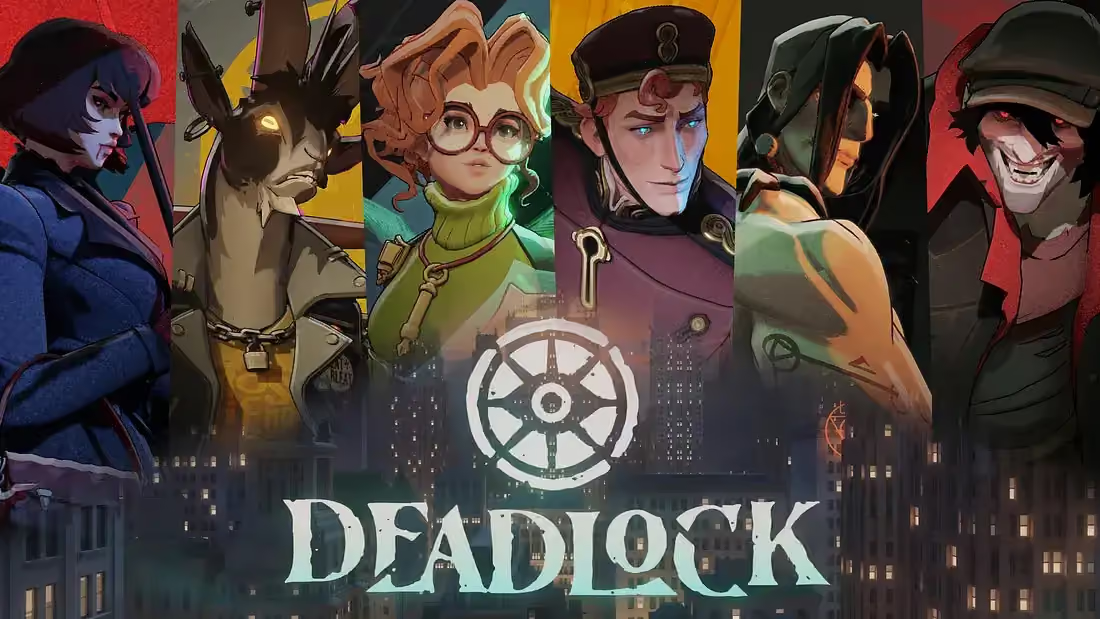
GameGoldLab is the ultimate Deadlock knowledge and coaching platform. Master every hero with in-depth guides, ability breakdowns, optimal item builds, pro builds, counter matchups, synergies, combos, and expert gameplay tips. Track live hero stats including win rates, pick rates, KDA, and match volume. Browse the tier list for the current patch. Book pro coaching sessions to level up.
All Deadlock heroes: Abrams (Brawler), Apollo (Assassin), Bebop (Brawler), Billy (Brawler), Calico (Assassin), Celeste (Marksman), Drifter (Assassin), Dynamo (Mystic), Graves (Marksman), Grey Talon (Marksman), Haze (Assassin), Holliday (Marksman), Infernus (Marksman), Ivy (Marksman), Kelvin (Brawler), Lady Geist (Mystic), Lash (Assassin), McGinnis (Mystic), Mina (Marksman), Mirage (Assassin), Mo and Krill (Brawler), Paige (Mystic), Paradox (Marksman), Pocket (Assassin), Rem (Mystic), Seven (Mystic), Shiv (Brawler), Silver (Marksman), Sinclair (Mystic), The Doorman (Mystic), Venator (Marksman), Victor (Brawler), Vindicta (Marksman), Viscous (Mystic), Vyper (Assassin), Warden (Brawler), Wraith (Marksman), Yamato (Assassin).
Popular heroes include Victor guide, Dynamo guide, Abrams guide, Bebop guide, Haze guide, Seven guide, Lash guide, Yamato guide. Browse the complete hero list.
Hero portraits: 
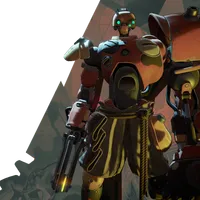
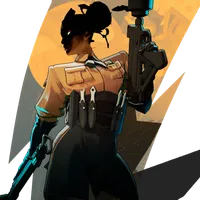
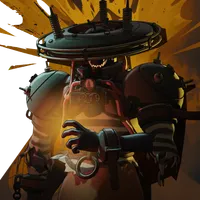
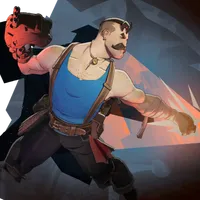
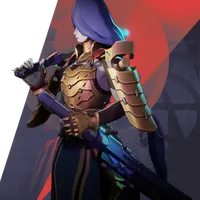
Each hero guide includes base stats, weapon stats, ability breakdowns, item builds, counter matchups, synergies, and FAQs. View all hero guides, check the tier list, and track live stats.
Live statistics for Deadlock including win rates, pick rates, damage output, KDA, net worth, and match volume across all skill brackets. Data sourced from real matches from the deadlock-api.com service. Track the evolving meta with 7-day trend charts showing win rate and pick rate changes over time. Filter heroes by role including Brawler, Marksman, Mystic, and Assassin. Visit the hero stats page for the latest data with win rates and pick rates for every hero.
The Deadlock tier list ranks all heroes using a composite score system. Win rate contributes 40 percent of the score, pick rate contributes 30 percent, match volume contributes 15 percent, and player count contributes 15 percent. S Tier represents the top 14 percent of heroes. A Tier covers the next 20 percent. B Tier includes the next 24 percent. C and D Tier cover the bottom 42 percent. See the full Deadlock tier list for current rankings.
Each hero guide includes item builds for early, mid, and late game phases. Coaching services available in Starter, Pro, and Elite plans with personalized training. Explore pro builds or book coaching sessions.
New to Deadlock? The beginner guide covers soul economy, laning phase, hero roles, map objectives, and core mechanics. The hero roles guide explains Brawler, Marksman, Mystic, and Assassin playstyles. The laning phase guide covers winning your lane and rotating. The soul economy guide explains efficient farming. Browse all Deadlock guides.
Deadlock is a hybrid MOBA-shooter by Valve Corporation in closed alpha. The game combines third-person shooting with MOBA mechanics including lanes, creep waves, towers, and items. Players choose from 38 unique heroes with distinct abilities. Explore hero guides and check live statistics for the current meta.
Coaching isn't a magic rank button, and it isn't somebody else playing your account. It's a session where a stronger player watches how you actually play and tells you, specifically, what to change. That's the whole product. If a decision keeps costing you games, you find it together and fix it.
Key points: A session usually takes one of three shapes; Replay review is where the fastest progress comes from, because nothing is happening live and you can actually talk; Live sessions are different.
Coaching isn't a magic rank button, and it isn't somebody else playing your account. It's a session where a stronger player watches how you actually play and tells you, specifically, what to change. That's the whole product. If a decision keeps costing you games, you find it together and fix it.
A session usually takes one of three shapes. A replay review, where you both watch a match you lost and pause on the moments that mattered. A live game, where a companion plays alongside you in the same match and talks you through rotations, item timing, and fights in real time. Or a lesson plan — a structured block of lessons built around a skill you want to drill: laning, wave management, one hero, team-fight positioning. Most players end up mixing all three.
Replay review is where the fastest progress comes from, because nothing is happening live and you can actually talk. You pick a match — ideally a close loss, not a stomp — and walk through it together. Where did the lane go wrong? Why did that death happen? Was that fight winnable, or were you just the first one there? The goal isn't to embarrass you; it's to find the two or three decisions you repeat every game and put a name on them.
Live sessions are different. A companion queues with you on their own account, or sits in voice while you play, and gives feedback on the decision in front of you rather than the one twenty minutes ago. You keep full control of your account and your character the entire time — this is played alongside a companion, never logged into for you. It's the closest thing to having a good player standing behind your chair.
A lesson plan is the structured version. Maybe you've decided you want to stop losing lane on a specific hero, or that your team-fights keep falling apart. You and the coach build a short plan: what to watch, what to practice between sessions, what to check next time. It's less about one game and more about installing a habit that survives after the sessions stop.
Coaching helps most when you're already trying. Players who watch their own replays, know roughly what they're bad at, and just can't see the fix — those players get a lot out of a single hour. So do players stuck at a plateau where their mechanics are fine but their decisions aren't. If you can describe what you're struggling with, a coach can usually name it faster than you can alone.
Coaching won't help you if you're not going to change anything. If you want someone to blame, or you're looking for a build to copy and nothing else, an hour of feedback is wasted. It also won't help if you don't play between sessions to practice — feedback you never apply is just an interesting conversation. And it's no substitute for reps; it multiplies the reps you were going to do anyway.
Sessions are scheduled around you, in blocks that fit your week. You book through our coaching services page, tell us your rank and what you want to work on, and get matched with a coach who plays your role at a level above yours. Before the session you'll agree on a format; during it, expect questions more than lectures; after it, you'll usually leave with one or two concrete things to try.
Come prepared and the hour goes twice as far. Bring one or two replays of close losses, not a highlight where you carried. Have your rank system placement and main role ready. Know which hero you want to focus on. If you have a specific question — 'why do I keep dying early in the lane phase' — bring it; vague goals make for a vague session. The best clients show up with a problem, not a wish.
Realistic timelines matter. A single session can fix one clear, repeating mistake, and that's a real win. Steady improvement across a rank system climb is slower, and it comes from practicing between sessions, not from coaching alone. Think in weeks, not a night. The players who move fastest do a session, drill the feedback, then come back with new questions.
Set a goal you can measure. Not 'reach the top,' but 'stop dying in lane' or 'learn three heroes well enough that my pick stops costing us.' Tying that to a duo queue block — where a companion plays alongside you and you practice the feedback under real pressure — is how a lesson turns into a habit.
One thing we won't do: touch your account. Sessions are always played alongside a companion, with you keeping control of your own character and your own decisions. No sharing logins, no ranking you up for you. The whole point is that you get better, and you can't get better watching someone else play.
So how do you know you're ready? You've played enough to have habits, not just reactions. You can usually tell when you lost a game and roughly why. You've read a lessons page or two and something didn't quite click. That's the point where one honest outside opinion is worth more than another night of solo queue.
If any of that sounds like where you are, the easiest first step is a conversation, not a payment. Message us on Discord, tell us your rank, your role, and the one thing you're tired of losing to, and we'll tell you honestly whether coaching is worth it for you — and which format fits.