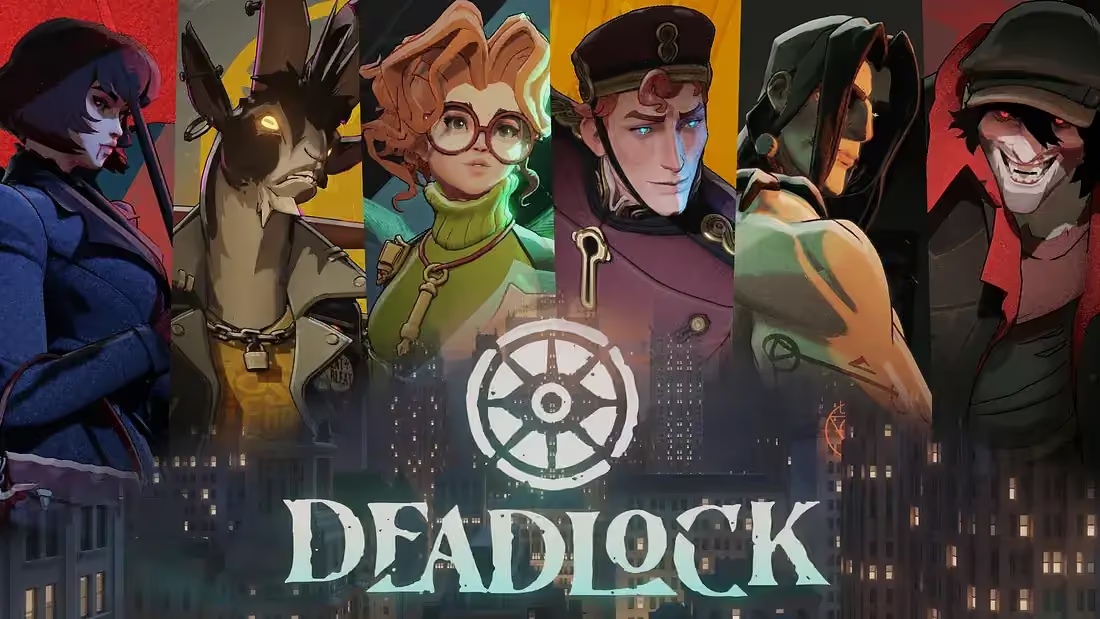
GameGoldLab is the ultimate Deadlock knowledge and coaching platform. Master every hero with in-depth guides, ability breakdowns, optimal item builds, pro builds, counter matchups, synergies, combos, and expert gameplay tips. Track live hero stats including win rates, pick rates, KDA, and match volume. Browse the tier list for the current patch. Book pro coaching sessions to level up.
All Deadlock heroes: Abrams (Brawler), Apollo (Assassin), Bebop (Brawler), Billy (Brawler), Calico (Assassin), Celeste (Marksman), Drifter (Assassin), Dynamo (Mystic), Graves (Marksman), Grey Talon (Marksman), Haze (Assassin), Holliday (Marksman), Infernus (Marksman), Ivy (Marksman), Kelvin (Brawler), Lady Geist (Mystic), Lash (Assassin), McGinnis (Mystic), Mina (Marksman), Mirage (Assassin), Mo and Krill (Brawler), Paige (Mystic), Paradox (Marksman), Pocket (Assassin), Rem (Mystic), Seven (Mystic), Shiv (Brawler), Silver (Marksman), Sinclair (Mystic), The Doorman (Mystic), Venator (Marksman), Victor (Brawler), Vindicta (Marksman), Viscous (Mystic), Vyper (Assassin), Warden (Brawler), Wraith (Marksman), Yamato (Assassin).
Popular heroes include Victor guide, Dynamo guide, Abrams guide, Bebop guide, Haze guide, Seven guide, Lash guide, Yamato guide. Browse the complete hero list.
Hero portraits: 
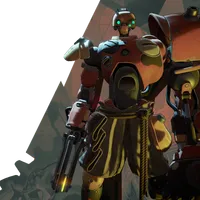
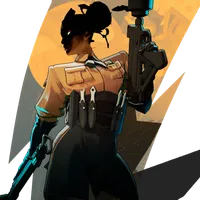
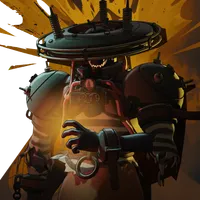
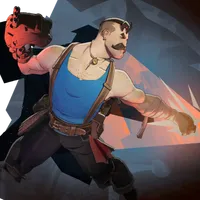
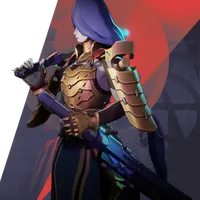
Each hero guide includes base stats, weapon stats, ability breakdowns, item builds, counter matchups, synergies, and FAQs. View all hero guides, check the tier list, and track live stats.
Live statistics for Deadlock including win rates, pick rates, damage output, KDA, net worth, and match volume across all skill brackets. Data sourced from real matches from the deadlock-api.com service. Track the evolving meta with 7-day trend charts showing win rate and pick rate changes over time. Filter heroes by role including Brawler, Marksman, Mystic, and Assassin. Visit the hero stats page for the latest data with win rates and pick rates for every hero.
The Deadlock tier list ranks all heroes using a composite score system. Win rate contributes 40 percent of the score, pick rate contributes 30 percent, match volume contributes 15 percent, and player count contributes 15 percent. S Tier represents the top 14 percent of heroes. A Tier covers the next 20 percent. B Tier includes the next 24 percent. C and D Tier cover the bottom 42 percent. See the full Deadlock tier list for current rankings.
Each hero guide includes item builds for early, mid, and late game phases. Coaching services available in Starter, Pro, and Elite plans with personalized training. Explore pro builds or book coaching sessions.
New to Deadlock? The beginner guide covers soul economy, laning phase, hero roles, map objectives, and core mechanics. The hero roles guide explains Brawler, Marksman, Mystic, and Assassin playstyles. The laning phase guide covers winning your lane and rotating. The soul economy guide explains efficient farming. Browse all Deadlock guides.
Deadlock is a hybrid MOBA-shooter by Valve Corporation in closed alpha. The game combines third-person shooting with MOBA mechanics including lanes, creep waves, towers, and items. Players choose from 38 unique heroes with distinct abilities. Explore hero guides and check live statistics for the current meta.
Every week someone asks me how long it takes to learn Deadlock, and every week I give the same honest answer: there is no clean number. Anyone who hands you a neat figure is guessing, because how fast you improve depends on your background, how you practice, and how much you actually review your own games. What I can give you is a realistic map of the stages you will pass through, and what to focus on in each one so you don't waste months spinning your wheels.
Key points: Stage one is survival; Stage two is where the game clicks; Stage three is the long tail, and it's where most players live for a long time.
Every week someone asks me how long it takes to learn Deadlock, and every week I give the same honest answer: there is no clean number. Anyone who hands you a neat figure is guessing, because how fast you improve depends on your background, how you practice, and how much you actually review your own games. What I can give you is a realistic map of the stages you will pass through, and what to focus on in each one so you don't waste months spinning your wheels.
Stage one is survival. This is the first stretch where you are still learning the map, how lanes push, what the objectives even are, and why you keep dying to things you didn't see coming. Your only real goals here are mechanical basics: move without getting caught, understand your hero's buttons, and stop handing the enemy free kills. Don't worry about winning. Worry about not being the reason your team loses. Start with the beginner guide if you want a checklist for this phase.
Stage two is where the game clicks. You know the flow of a lane, you understand how souls feed your economy, and you start picking items on purpose instead of copying a build blindly. Focus on two or three heroes and learn their matchups rather than spreading thin. This is also when you should start watching your own deaths and asking what you could have done differently, because that habit is what separates players who improve from players who just clock hours.
Stage three is the long tail, and it's where most players live for a long time. You can pilot your heroes, you understand the flow of a match, and now the game is about decisions: when to group, when to farm, when to take an objective, when to back off. Progress here is slow and quiet. It shows up as fewer throw picks, better positioning, and being the player your team trusts in a close game rather than the one who snowballs a lead and then gives it back.
Stage four never really ends, and that's the point. Even strong players keep refining their hero pool, tracking balance patches, and adapting to how the meta shifts. You stop thinking about learning the game and start thinking about sharpening specific weaknesses. That's a healthy place to be, because it means you always have a next thing to work on instead of a finish line to cross.
Now here's the part people underrate: your background changes everything. If you come from another MOBA, you already understand lanes, last hitting, itemization, and team-fight timing, so stages one and two go much faster. Your aim might lag behind, but the macro instincts transfer. You will hit the decision-heavy part of the curve sooner than a total newcomer will, which is exactly where a lot of experienced players get humbled.
If you come from a shooter, it flips. Positioning, tracking, and dueling feel natural, so you win a lot of early fights. What trips you up is everything around the fight: economy, map control, and knowing when a fight is worth taking at all. Shooters teach you to win the exchange; MOBAs teach you whether the exchange was ever worth it. That gap is what keeps pure aim players stuck in the middle for a while.
If you're brand new to both genres, don't panic, but do be patient with yourself. You're learning two skill sets at once, so the early stage will feel longer and messier. Lean on the resources: read up on your hero pages, learn what each role actually does, and don't treat a losing streak as proof you're bad. It's proof you're early.
So why do most players plateau? Almost always it's one of three things. First, autopilot: they play the same way every game and never adapt to the enemy. Second, no review: they blame teammates instead of watching the replay and finding their own mistakes. Third, hero hopping: they change characters every few games and never build deep mastery on any of them. Any of these will cap you no matter how many games you grind.
Breaking through is less about playing more and more about playing on purpose. Pick a small pool, set one specific improvement goal per session, and review at least one loss a week with a notepad open. Ask why you died, why you lost that objective, why that fight went wrong. You'll feel the difference quickly, not because you're grinding harder, but because you're finally pointing the effort at the right target.
There's also a real case for coaching, and it's more common than people admit. If you've been stuck at the same level for a long stretch despite playing regularly and reviewing your own games, an outside set of eyes will spot patterns you're blind to. You can't see your own habits clearly, which is why the rank system feels so sticky to some players. Sometimes one session turns a month of frustration into a clear plan.
The honest summary is this: the early stages come quicker than you fear, and the later stages take longer than you hope. Frame it as stages, not hours. If you put in regular, deliberate practice, you'll cross the survival stage in weeks, not years, and from there it's a slow climb that rewards consistency. The players who 'learn fast' are usually just the ones who review, focus their pool, and stay curious rather than grinding on autopilot.
One last thing worth saying out loud: this game is genuinely hard, and that's not a flaw. The depth is why it stays interesting, why there's always a next level, and why improvement feels earned. Be kind to yourself in the early days, celebrate small wins like dying less or landing a clean duel, and try to enjoy the climb instead of sprinting at it.
If you want feedback on where you're stuck, want to compare notes with other players, or just want someone to tell you what to focus on next, come join our coaching community on Discord. Drop your questions, share a replay, and let's figure out your next stage together. See you in the lanes.